How to choose wet food based on your cat's age
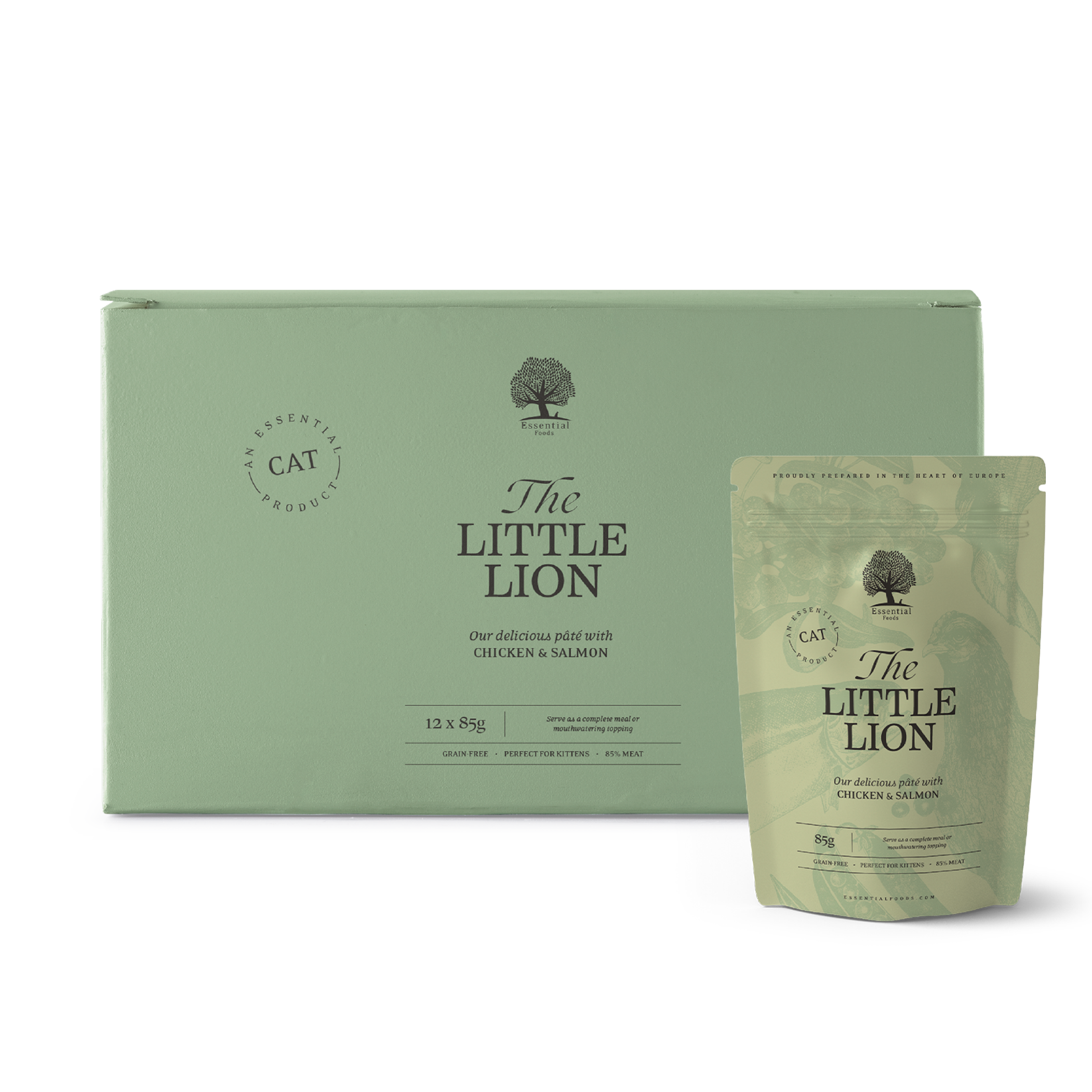
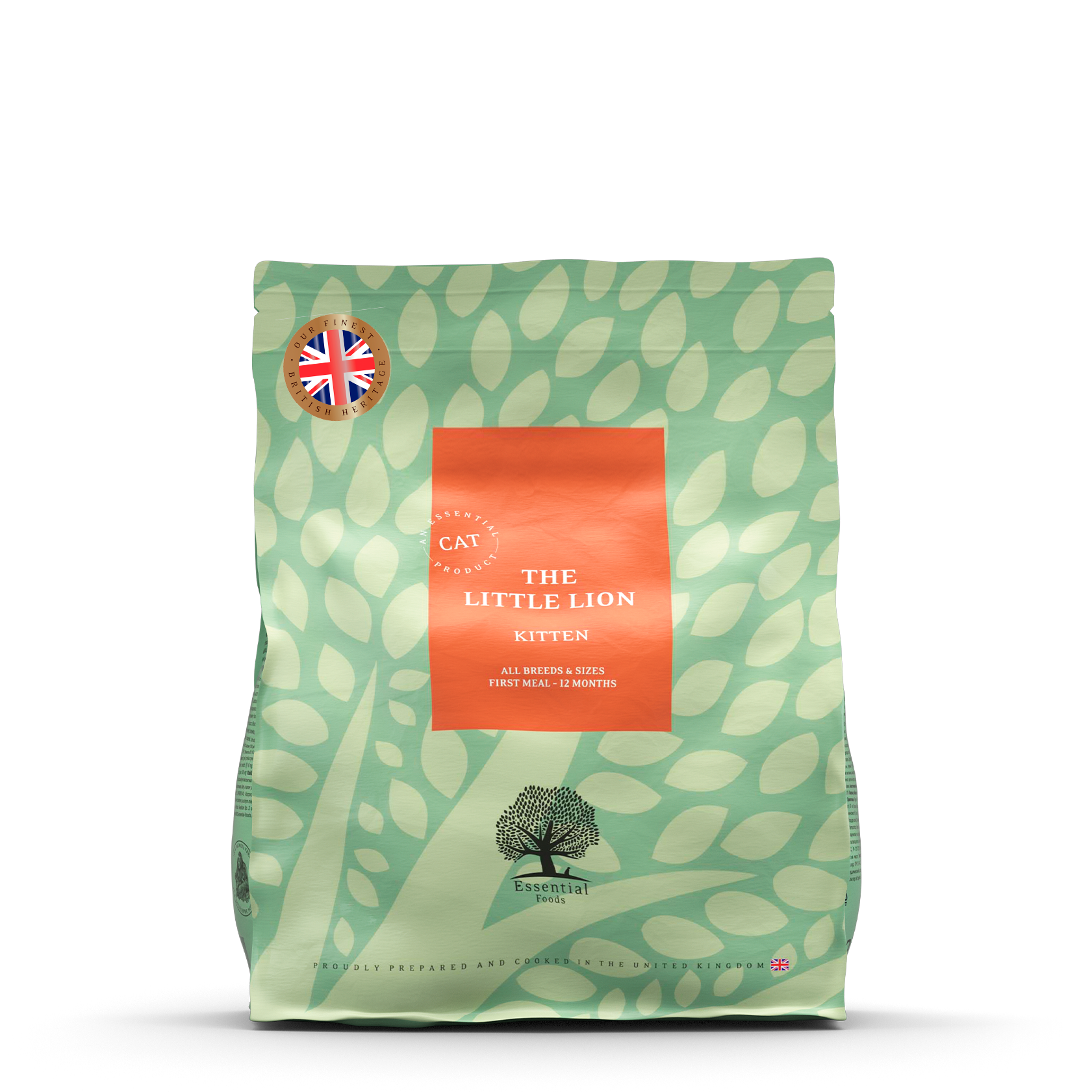
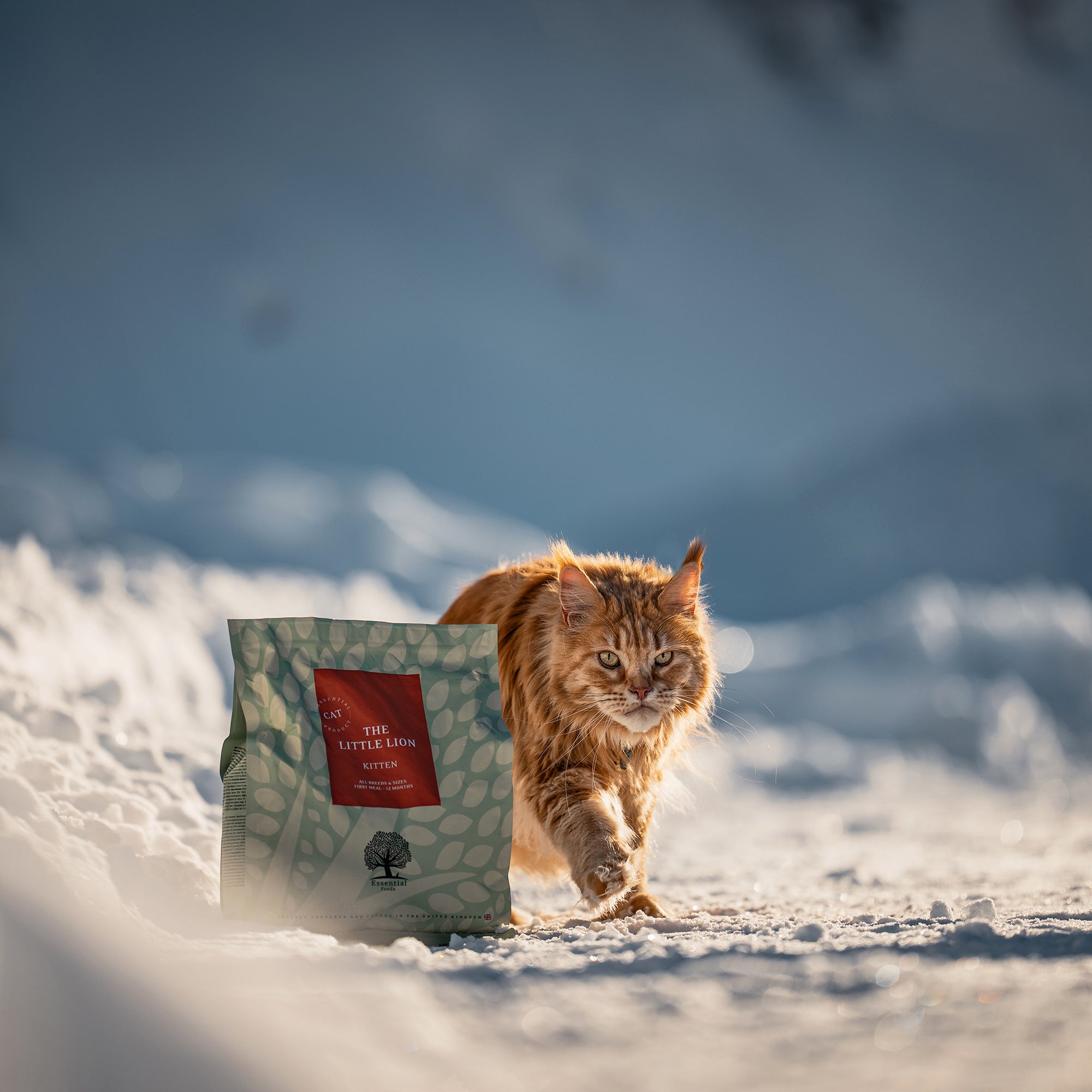
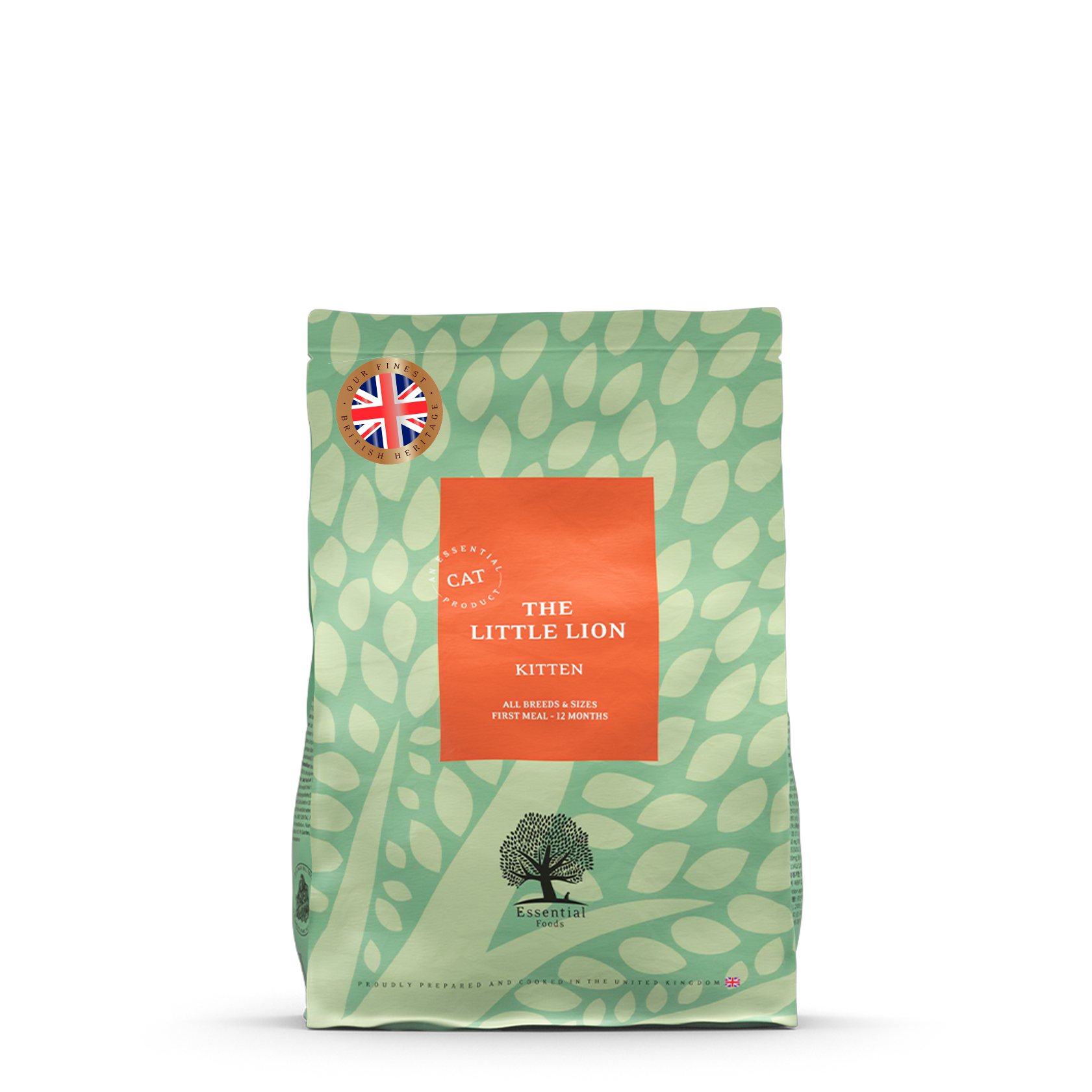
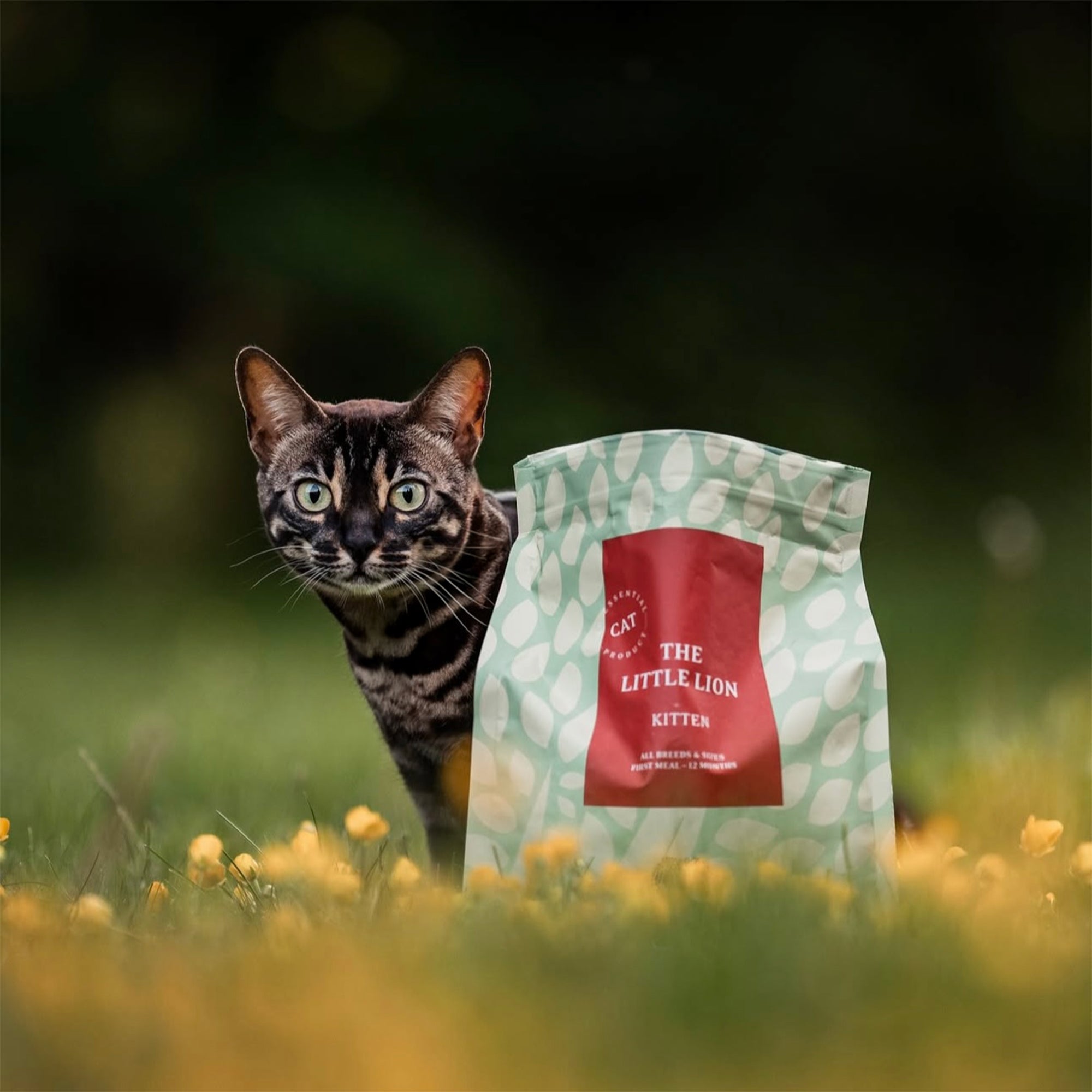
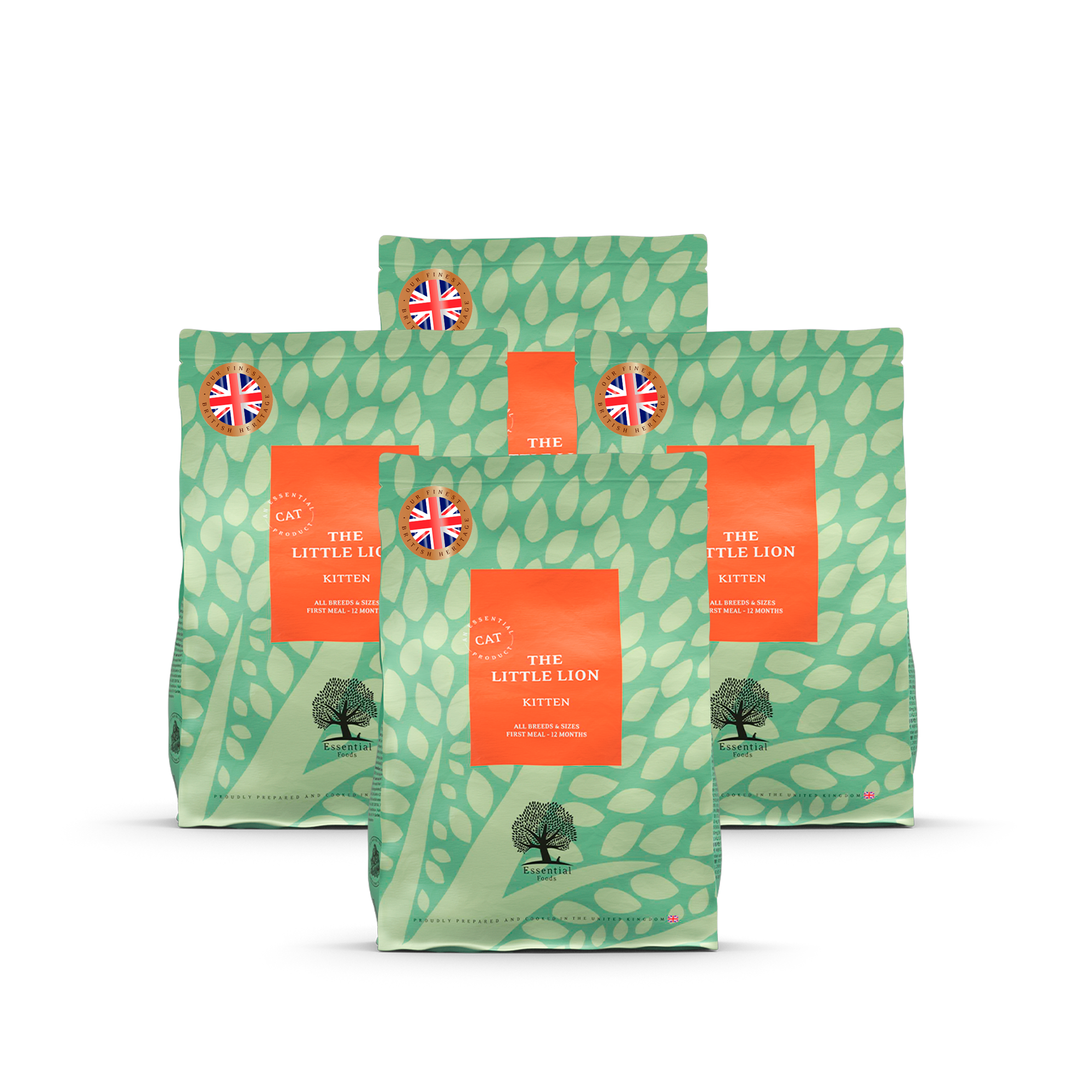
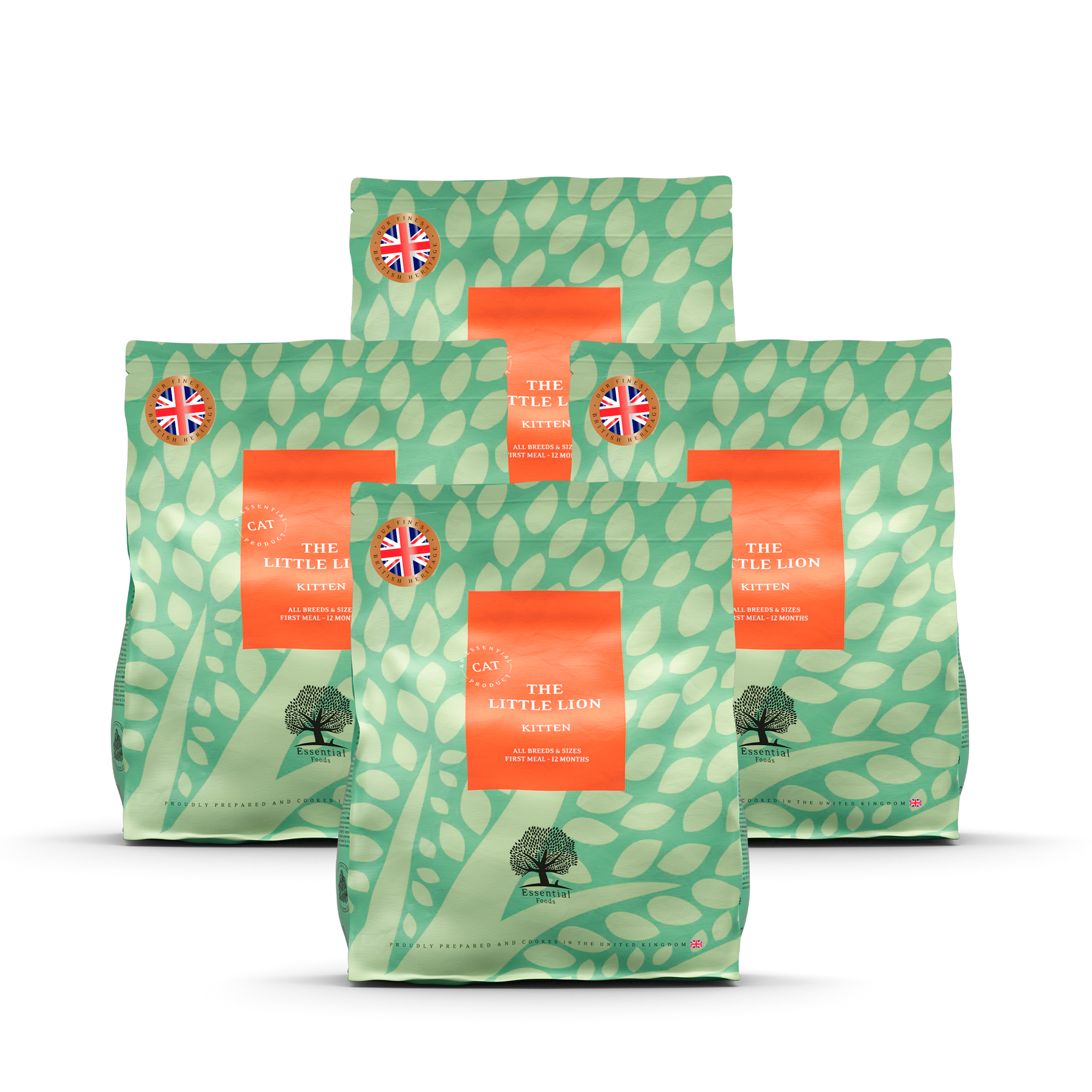
The most important thing when choosing wet food for your cat is to match your cat's life stage. A kitten is building its body and needs more energy and protein per gram than an adult cat, while an older cat often has different needs regarding digestion and kidneys. In this collection you will find pâté divided across the three life stages: The Little Lion for kittens, the Jaguar and the Panther for adult and more active cats. If you are unsure which one is right, you can look for meals grouped by life stage in the collections meals for kittens, meals for adult cats and meals for senior cats. Choose by age first, taste afterwards.
Why the moisture in wet food matters for cats
The cat descends from desert animals and has a weak natural sense of thirst. In nature it covers most of its fluid needs through prey, which consists of around 70 percent water. A cat that eats only dry food must therefore drink actively to compensate, and many cats do not drink enough. Wet food has a high water content, often around 75 to 80 percent, and thereby helps the cat take in fluids through the meal itself. A stable fluid intake is especially relevant for the cat's urinary tract and kidneys, which are sensitive points in many cats. That is the single reason why many veterinarians recommend including wet food in a cat's diet.
Pâté with a high meat content rather than fillers
The cat is an obligate carnivore. Unlike humans or dogs, it cannot live on a diet with a lot of plant content, because it depends on nutrients it can only get from animal food, including the amino acid taurine. That is why the key thing when you assess a wet food is how much of the content is actually meat, and how little is filler and grain. The pâtés in cat pâté are built around a high animal content, and if you have a cat that needs to be kept completely free of grain, you can cross-reference it with the range in grain free. Read the product declaration: the meat should be at the top of the ingredient list.
Wet food or dry food for your cat
It is not an either-or. Wet food provides fluids and is often easier to make appetizing, while dry food is practical, lasts longer once opened and lets the cat eat small portions throughout the day. Many cat owners combine the two: pâté as the main meal for the sake of fluids and a portion of dry food that the cat can go to. If you want to build a combination, you will find the dry counterpart in cat food dry food. If you switch between food types or brands, do it gradually over about a week, so the cat's stomach has time to get used to the new food.
How much wet food should a cat have per day?
The exact amount depends on the cat's weight, age and activity level, and there is not one number that fits everyone. Always use the feeding guide on the specific product as a starting point, since the energy content varies from food to food. A good practice is to divide the daily ration into two or more meals rather than one large one, and to adjust according to the cat's body condition over time: if you can feel the ribs without clearly seeing them, and the cat has a visible waist when viewed from above, you are typically on the right track. A neutered cat often has a lower energy need, and for it there are dedicated meals gathered under meals for neutered cats.
Try one flavour before you buy a whole box
Cats are notoriously picky, and what one cat loves, the next turns its back on. That is why it makes sense to test a single flavour before you commit to a larger purchase. With LITTLE LION SAMPLE or the selection in trial meals for cats you can see whether your cat takes to it, without being left with a full box it won't touch. If you have a new kitten in the home, kitten love package gathers a starter kit that makes it easier to get off to a good start.
How to make the wet food more appetizing
Cats react strongly to temperature and smell. Wet food that comes straight from the fridge smells and tastes less to the cat, because the cold dampens the aroma. So let the pâté reach room temperature before you serve it, possibly a brief moment in a little lukewarm water, so it becomes hand-warm and not hot. Serve in clean, flat bowls, and remove leftovers that have been out for a long time, as wet food dries out and becomes unappetizing faster than dry food. If you have a cat that eats reluctantly, a warm, fresh portion is often the difference between an empty and an untouched bowl.